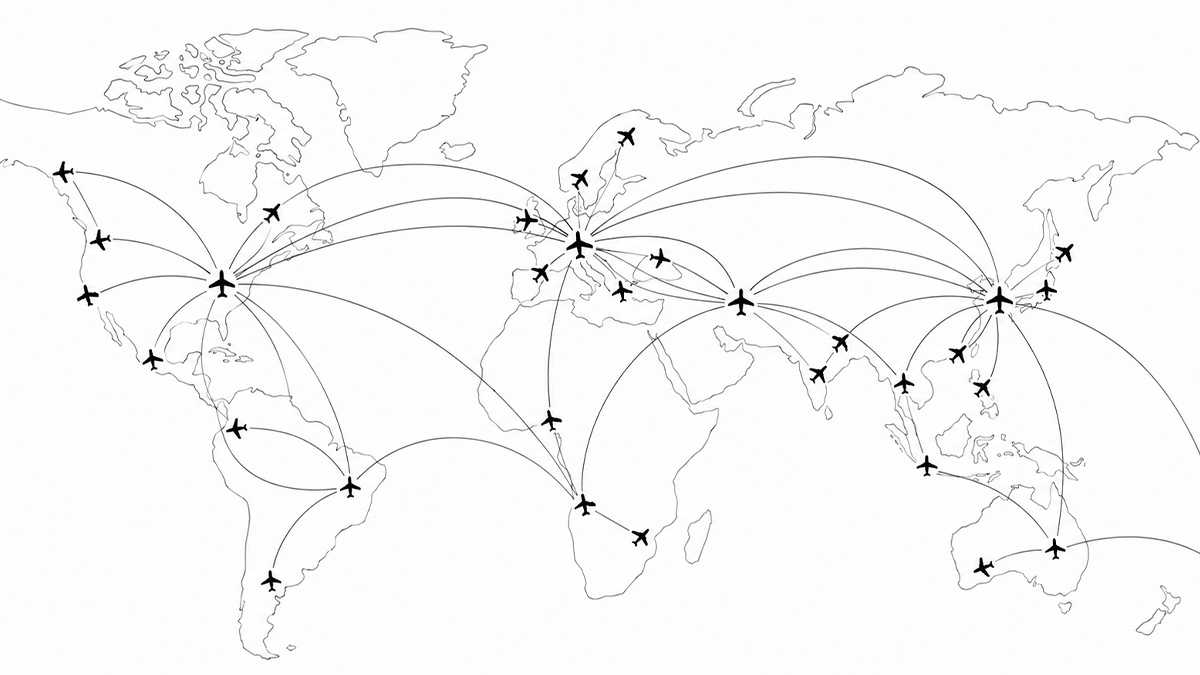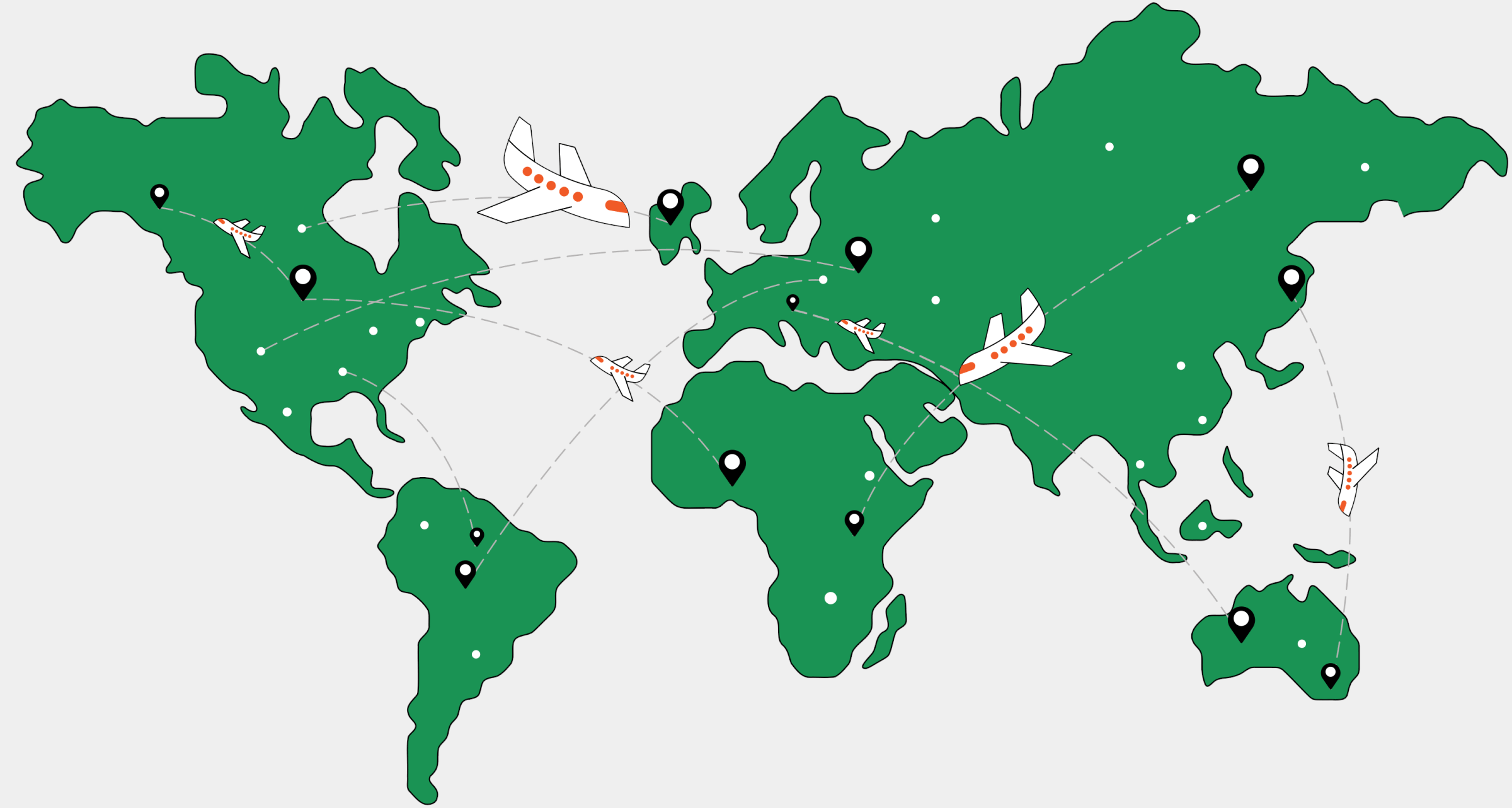
For a region that represents almost 35% of global RPKs and has seen double-digit growth in both capacity and international traffic, APAC route networks are contracting. Asia-Pacific is clearly ready for a new model of connectivity. The market for commercial aviation across the region is as dynamic and fast-growing as any other global region. Asia-Pacific now faces the conditions Europe encountered a decade ago: growing demand, constrained fleets, and increasingly concentrated route networks. Traditional pathways to expansion are no longer practical growth strategies, particularly for LCCs in the region.
Connected travel sits between organic route launches and legacy interline agreements. It lets airlines combine flights from separate carriers into one bookable itinerary through an AI-enabled infrastructure layer, including defined baggage handling and disruption protection, without the cost, complexity, or long timelines of codeshare or interline partnerships.
This whitepaper examines the market forces reshaping Asia-Pacific networks, the parallels and important differences with Europe, the role of LCCs in the region and how early movers are already using connected travel to restore reach and compete more effectively with global carriers.
- Expand geographic coverage without adding aircraft
- Test and scale new origin-destination pairs in weeks, not years
- Offer structured multi-carrier journeys across borders
- Give secondary airports a stronger commercial proposition to airlines